Kutaisi Adventure Travel Guide for Wild Days
- Giorgi Enuqidze
- 4 days ago
- 6 min read

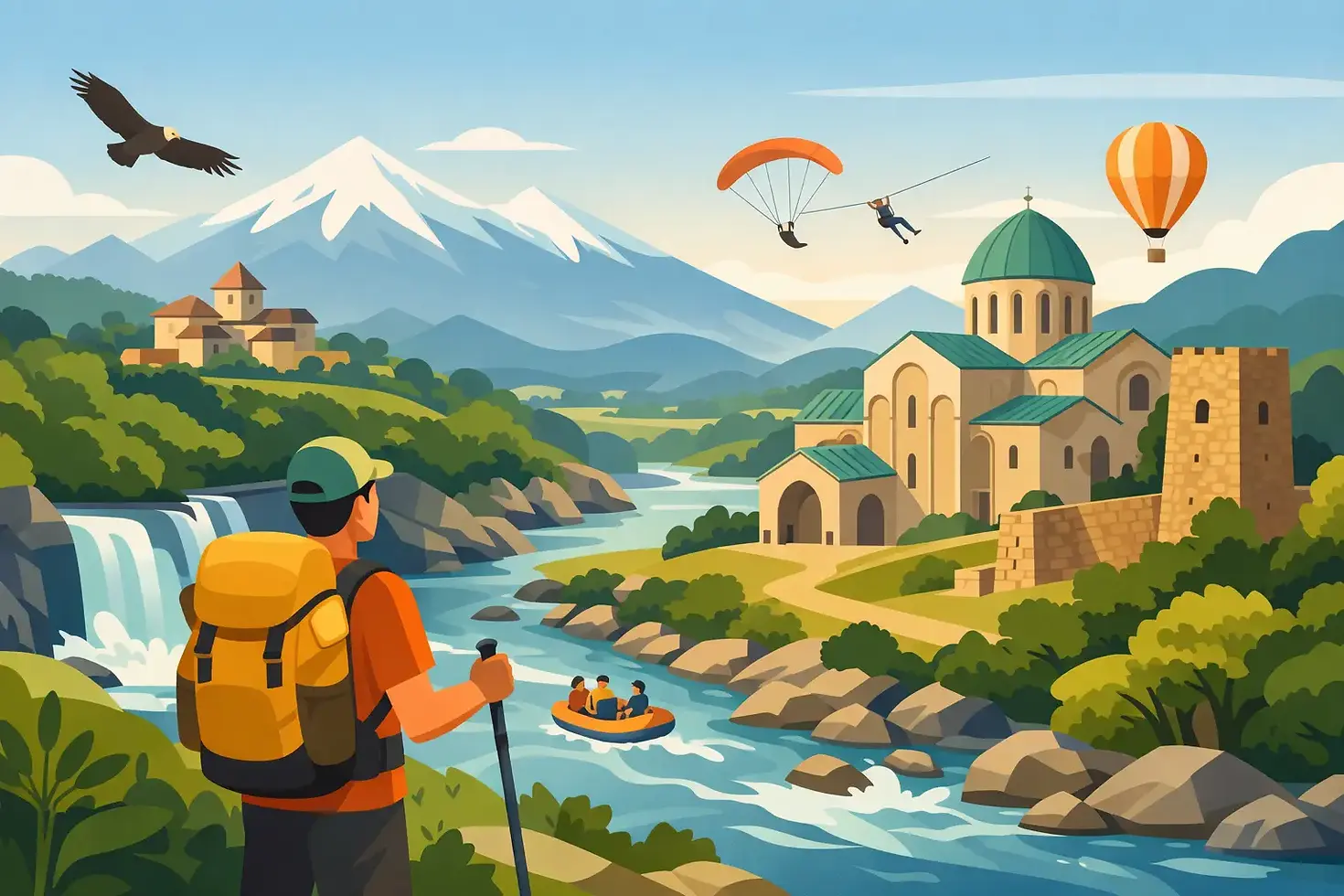
A limestone gorge, a cold mountain pool, and a forest trail can all be part of the same week in western Georgia. That is what makes this Kutaisi adventure travel guide different from a standard city itinerary. Kutaisi is not just a place to stop between flights or check off a cathedral. It is a practical, lively base for getting into canyons, caves, waterfalls, and the high country where Georgia gets properly wild.
The best trips here balance ambition with local knowledge. Some days demand ropes, wetsuits, and a certified guide. Others need little more than good shoes, water, and an early start. Start from Kutaisi, choose the terrain that fits your confidence and season, and leave enough room for the unexpected roadside viewpoint, village meal, or invitation for coffee.
Why Kutaisi Works for Adventure Travel
Kutaisi sits in Imereti, western Georgia, within reach of landscapes that feel far more remote than the driving times suggest. In one direction, you have karst country: caves, sinkholes, underground rivers, and narrow river canyons. In another, forested valleys rise toward Racha, Svaneti, and the Greater Caucasus. The city has the useful things an active traveler needs - food, supplies, transport connections, and a comfortable place to sleep - without requiring you to spend every night packing and repacking.
That convenience matters after a physical day. Canyoning is better when you can return to a hot shower and a proper dinner. A hike is more enjoyable when the morning logistics are simple. Staying several nights in Kutaisi also lets you adjust around weather, which is essential in a region where rain can change river conditions and mountain visibility quickly.
For travelers flying into Kutaisi International Airport, the city is an especially smart first base. Rather than racing straight into the mountains, use the first day to settle in, check your gear, and get a local read on current conditions. Then build outward from there.
Choose Your Adventure by Terrain, Not Hype
Western Georgia offers plenty of dramatic photos, but the right activity is not always the most famous one. Your experience level, comfort with water, group makeup, and the season should shape the plan.
Canyoning: The Full-Body Georgia Experience
Canyoning combines walking, swimming, scrambling, sliding, rappelling, and moving through water-carved rock corridors. It is one of the most direct ways to experience the region's limestone landscape. You do not need to be an elite athlete, but you should be comfortable in water, ready to follow instructions, and prepared for cold conditions even on a warm day.
A guided canyoning trip is the right choice for beginners as well as experienced visitors entering unfamiliar terrain. Water levels, anchor systems, access routes, and exit points all matter. A good guide does more than lead the way: they assess conditions, provide the right technical equipment, explain each move clearly, and know when a route is not suitable.
Bring a sense of humor along with your courage. You will get wet, your feet may be cold, and the best moments are often the ones that look a little intimidating from the edge.
Hiking: From Easy Forest Days to Mountain Commitment
Hiking around Kutaisi can mean a relaxed waterfall walk, a full-day ridge route, or a multi-day mountain journey farther into western Georgia. The variety is a strength, but it also means that a trail described casually as “easy” may involve mud, steep ground, stream crossings, or rough access roads.
For a short outing, choose a route with a clear turnaround time and start early. For higher or more remote terrain, travel with a guide who understands local weather patterns, transport access, and trail conditions. In the Caucasus, a trail can be quiet enough that self-reliance matters, while cloud can erase views and orientation faster than many visitors expect.
Good hiking boots, a rain layer, sun protection, and enough water are more useful than fashionable travel gear. In spring and fall, layers are essential. In summer, heat is a factor at lower elevations, while afternoon storms can develop higher up.
Caves, Canyons, and Karst Landscapes
The natural world around Kutaisi is shaped by water working through limestone over long periods. That gives the region its caves, gorges, underground passages, and green, mossy river corridors. These are excellent choices for travelers who want a big nature day without a high-altitude expedition.
Some cave and canyon visits are accessible to active families and first-time outdoor travelers. Others become technical quickly, especially where ropes, vertical drops, or water are involved. Do not confuse a marked visitor path with a wild caving route. Wild caves require specialized knowledge, reliable lighting, protective equipment, and careful respect for fragile underground environments.
Climbing, Fishing, and Winter Mountain Days
If your interests are more specialized, Kutaisi can still be the starting point. Climbing areas, quiet fishing waters, and winter routes toward Georgia's ski terrain reward travelers who plan with conditions in mind. These activities are not interchangeable: a summer hiking schedule will not prepare you for skitouring, and a fishing day depends heavily on water, weather, permissions, and local timing.
For ski touring and winter mountaineering, experience with avalanche terrain is non-negotiable. Visitors without it should go with qualified professionals and choose an objective that fits the group's ability. Georgia's mountains are generous, but they do not reward casual decision-making.
A Practical Kutaisi Adventure Travel Guide for Your First Week
A strong first week does not need to become an endurance contest. Plan one high-energy technical day, one hiking or canyon landscape day, one flexible weather day, and time to enjoy Kutaisi itself. That pacing gives your body a chance to recover and gives your guide room to recommend the best option as conditions develop.
For example, arrive and spend the first evening getting oriented in the city. Use day two for an accessible canyon, cave, or waterfall outing. Make day three your bigger guided adventure, such as canyoning or a longer mountain hike. Keep day four flexible for weather, a slower recovery day, or a local food stop. If you have more time, extend toward the mountains for a deeper hiking, climbing, or winter itinerary.
The trade-off is simple: trying to see every famous place means more time in a vehicle and less time actually experiencing the landscape. Choose fewer places and do them well. You will remember the sound of water in a gorge or a ridgeline above the clouds far longer than another rushed viewpoint.
What to Pack and What to Leave to Your Guide
Pack for changing weather, uneven ground, and the possibility of getting wet. A small daypack, reusable water bottle, breathable layers, rain shell, sturdy footwear, and a dry change of clothes cover most warm-season outings. Add a personal first-aid kit, sunscreen, insect repellent, and any medications you need. In shoulder seasons, bring warmer insulation and gloves.
Technical gear should match the activity. For canyoning, that may include wetsuits, helmets, harnesses, ropes, and canyon-specific footwear. For caving or climbing, it may mean completely different equipment. Unless you know the route and equipment standards firsthand, it is usually better to use gear supplied and checked by your guide than to improvise with travel equipment.
Keep your valuables minimal on water days. Phones need proper waterproof protection, not just a zip bag that may fail after the first swim.
Safety Is Part of the Adventure
The best adventure stories begin with good judgment. Tell your guide honestly about injuries, swimming ability, hiking experience, fears, and medications. A route can often be adapted when a guide knows what the group needs. Problems arise when someone feels pressured to appear more capable than they are.
Weather and water conditions have the final say. A canceled canyoning route after heavy rain is not a lost day if it becomes a better hike, cave visit, or cultural stop. It is evidence that the people leading you are paying attention.
At Kutaisi Base Camp, the team builds trips around certified guidance, local route knowledge, and the reality of the day rather than a fixed script. That is especially valuable for visitors who want to push beyond standard sightseeing without taking unnecessary risks.
Make Kutaisi Your Base, Not Just a Stopover
The real advantage of Kutaisi is that it lets you choose your level of wild. You can wake up in a comfortable apartment, spend the day rappelling through a canyon or hiking beneath mountain forests, then return to the city with enough energy to share food and stories.
Come prepared, stay curious, and give the landscape the time it deserves. The hidden places of western Georgia are rarely found by rushing past them.


Comments